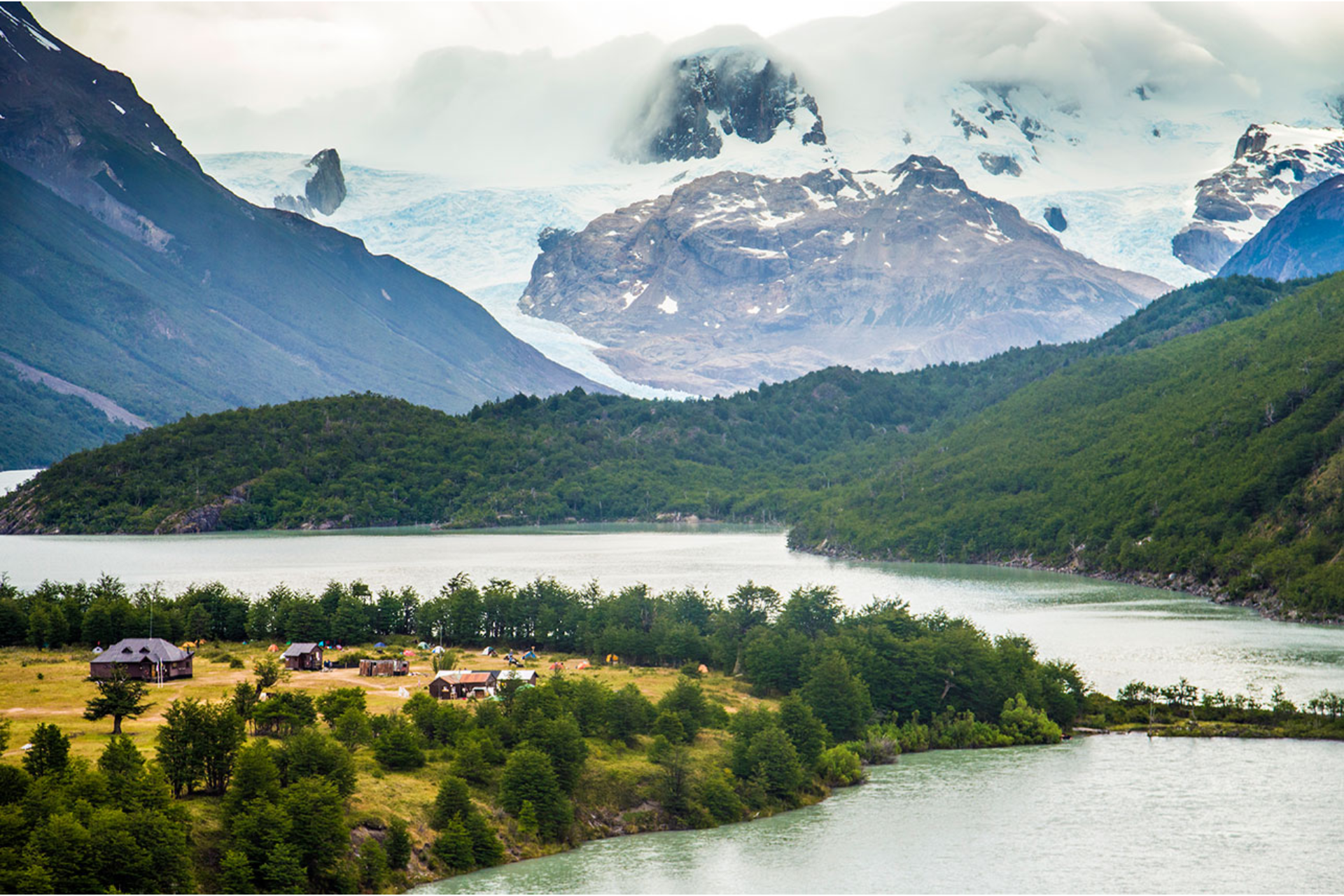




Torres del Paine, located in Chilean Patagonia, is one of the most breathtaking national parks in the world. It features iconic trekking circuits such as the W and O routes, with views of towering granite peaks, glaciers, turquoise lakes, and ancient forests. Perfect for hikers, nature lovers, and photographers alike.
The best time to visit Torres del Paine is from October to April, during the Southern Hemisphere’s spring and summer. These months offer longer daylight hours, favorable weather, and fully operational services. December to February is peak season, while October and March are great for fewer crowds and good conditions.
Chile allows visa-free entry for citizens of many countries, including the U.S., Canada, the European Union, and most South American nations. However, it’s always recommended to check with your local Chilean consulate for updated requirements. Passports must be valid for at least 6 months beyond your arrival date.
The most affordable flights to Torres del Paine typically arrive at Punta Arenas (PUQ) or Puerto Natales (PNT). Chilean airlines such as LATAM, SKY, and JetSmart offer good fares from Santiago if booked in advance. From either city, you can travel to the park by bus or private transfer.

In and around Torres del Paine, there are accommodation options for every budget. Two main providers operate along the most popular trekking routes:
Vértice Patagonia manages refugios and campgrounds along the W and O circuits, including locations such as Paine Grande, Grey, Dickson, and Los Perros. Their facilities are ideal for trekkers looking for shared lodges or designated campsites immersed in nature.
Las Torres Patagonia offers a wide range of accommodations near the park's eastern entrance, including mountain hostels, premium campsites, and a full-service hotel. They also provide guided treks, horseback riding, and other experiences within the park.
To simplify your planning, you can book your full itinerary—accommodation, trekking circuits, buses, catamarans, and additional services—through BookingPatagonia.travel, an official Chilean platform that centralizes Vértice and Las Torres offerings in one place.
You can reach Torres del Paine by bus from Punta Arenas or Puerto Natales, with regular departures offered by providers like Bus-Sur. Inside the park, most travelers move on foot along the established trekking trails. However, there are also convenient transportation options available:
Catamarán Pehoé, which connects Pudeto to Paine Grande—commonly used by W and O circuit trekkers.
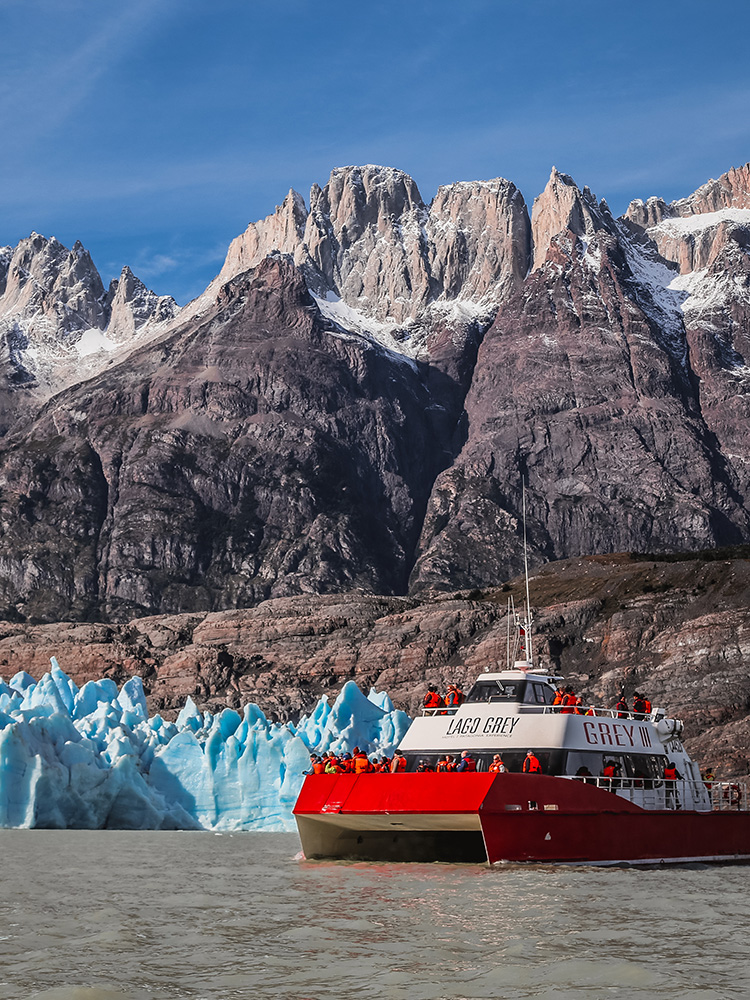
Catamarán Lago Grey, offering scenic crossings from Hotel Lago Grey to Refugio Grey.
Private transfers and guided tours are also available for those seeking added comfort and flexibility.
All of these transportation services—buses, catamarans, and even transfers—can be booked through BookingPatagonia.travel, a platform that consolidates official providers in a single place for easier trip planning.
Most refugios and accommodations offer breakfast, dinner, and boxed lunches. If camping, you can bring your own stove and non-perishable food. In Puerto Natales, you’ll find supermarkets and stores to stock up before heading into the park.
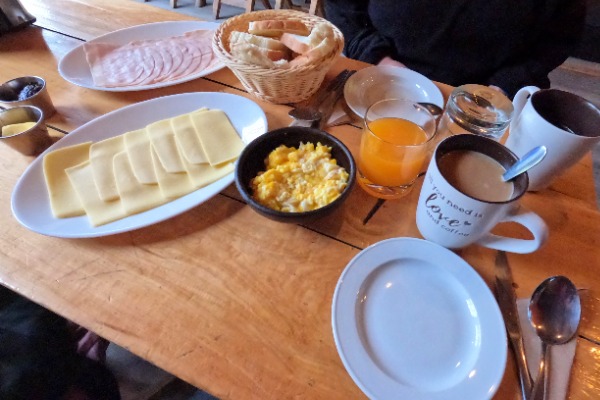
A typical day in Torres del Paine starts early with breakfast at your refugio or campsite, followed by a day of hiking—typically between 5 to 10 km depending on the route. Around midday, you’ll stop for a packed lunch and continue to the next stop by afternoon. Evenings are for resting, sharing experiences, and enjoying the scenery
Chile is a safe country with a well-developed tourism infrastructure. Visitors must respect park regulations, including no open fires, no littering, and staying on marked trails. Locals appreciate punctuality, environmental responsibility, and respectful, polite behavior.
